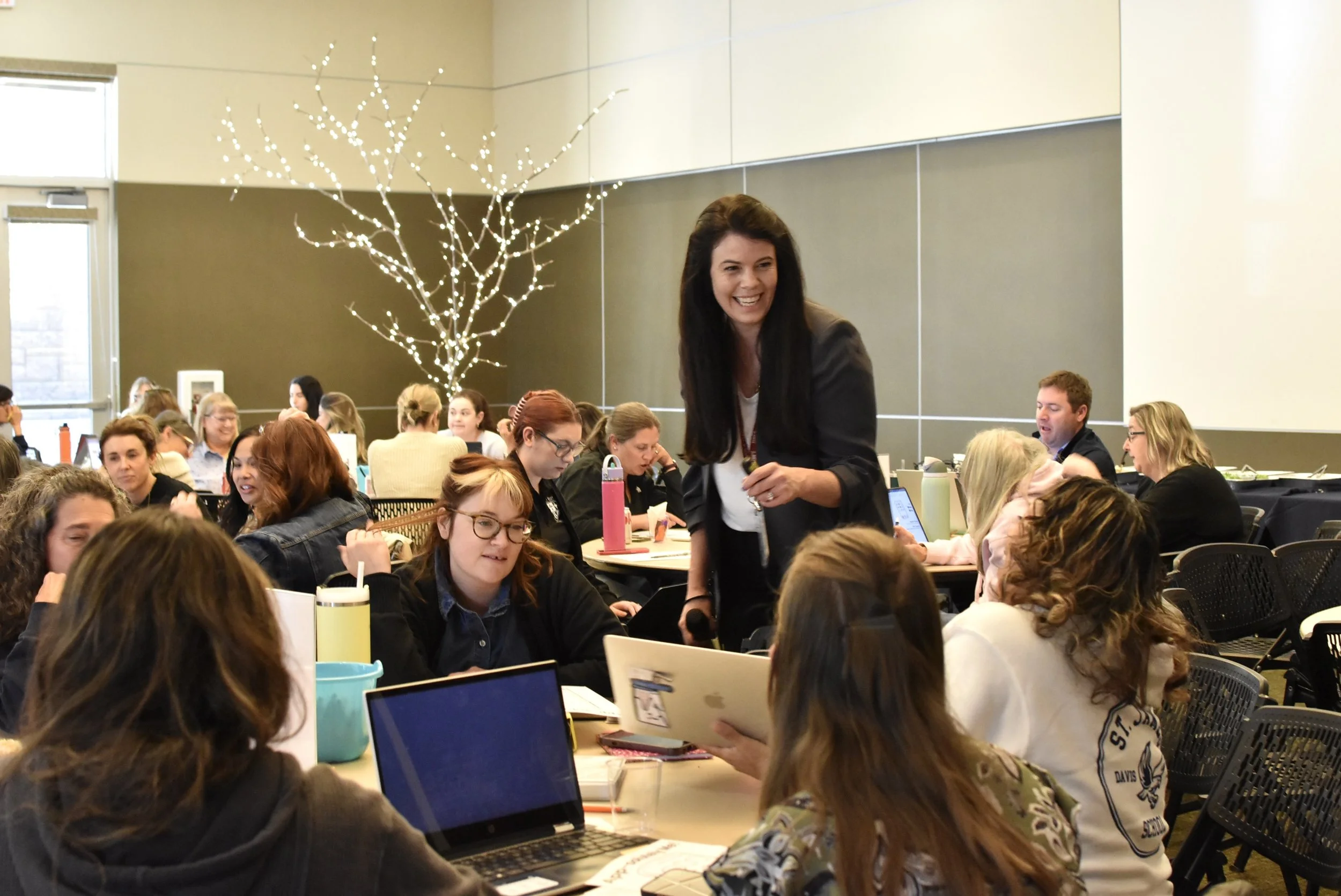
About Meaghan
Background and Philosophy
Before joining Loyola Marymount University’s iDEAL Institute, Meaghan Crowley-Sullivan taught second and third grade in both Denver, Colorado, and San Jose, California, during years of significant instructional transformation. Her Catholic schools were among the first in nation to implement Expeditionary Learning and Blended Learning models, an experiences that gave her an intimate understanding of the possibilities and growing pains of innovation in Catholic education.
Teaching through those transitions shaped Meaghan’s conviction that true educational change must honor both the learner and the teacher. She witnessed how professional development could either empower or overwhelm, and how thoughtful design, clear structures, and empathy for teachers’ lived realities could determine whether an initiative took root. Those experiences deepened her desire to bridge the gap between research and classroom practice, helping educators translate new ideas into strategies that truly serve students.
At the core of her philosophy is the belief that teaching is an act of formation. It shapes not only what students know, but who they become as thinkers, creators, and people. Whether through technology integration, blended learning, or leadership development, Meaghan approaches every project with the same goal: to help schools nurture both excellence and humanity in learning.
Her work invites educators to see innovation not as a departure from tradition, but as an extension of it and an opportunity to reveal God’s presence in every learner and in the creative act of teaching itself.

Professional Learning
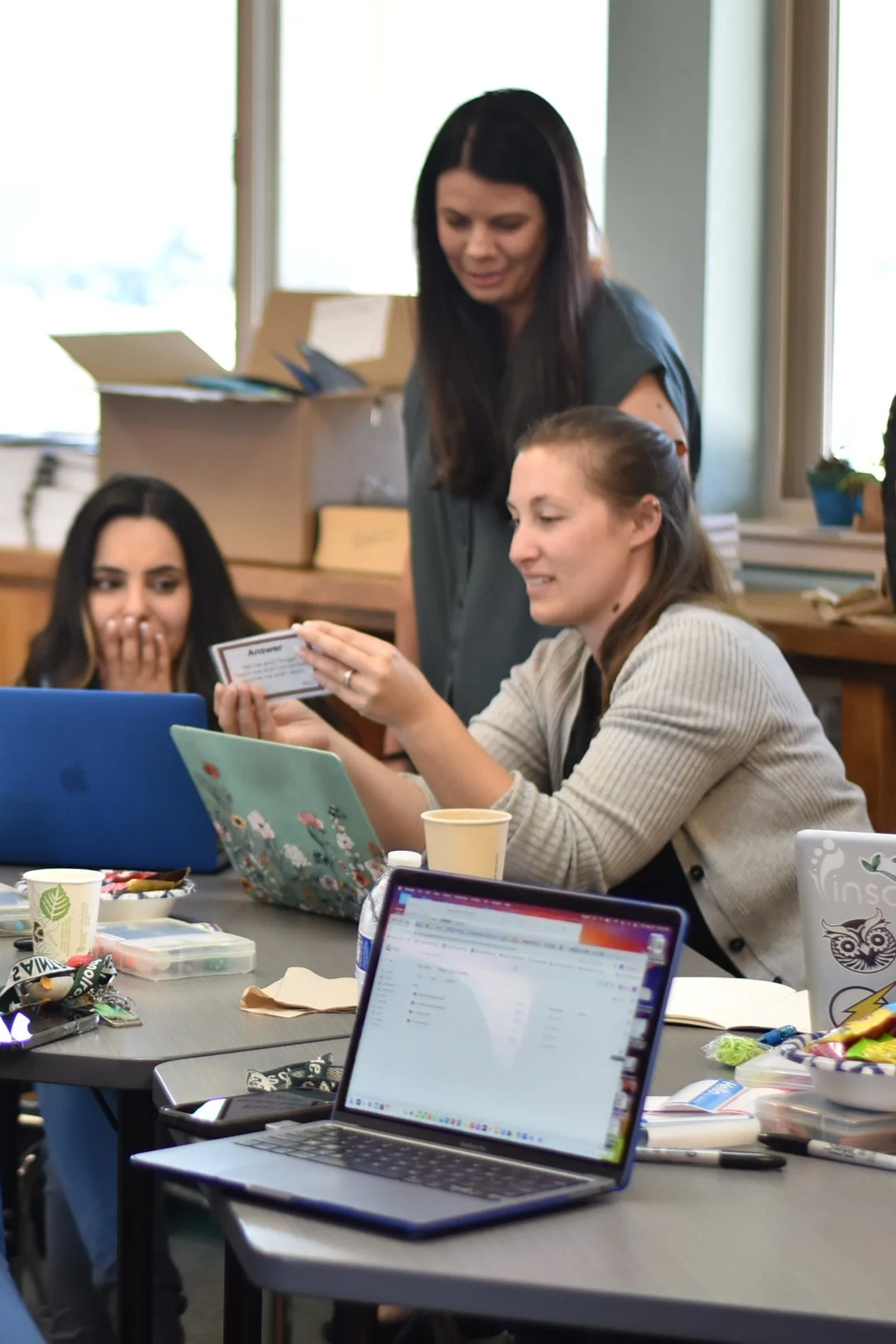
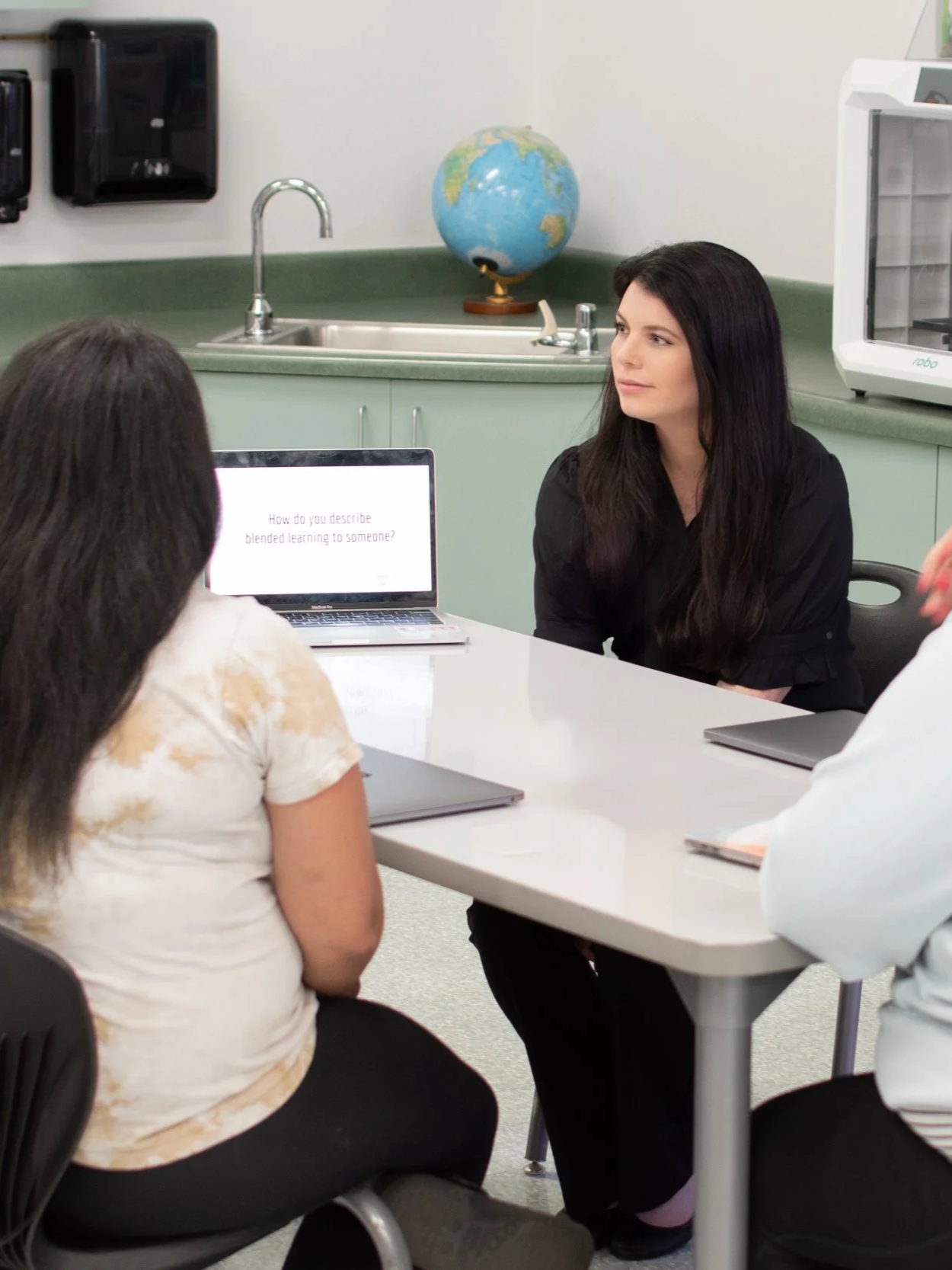
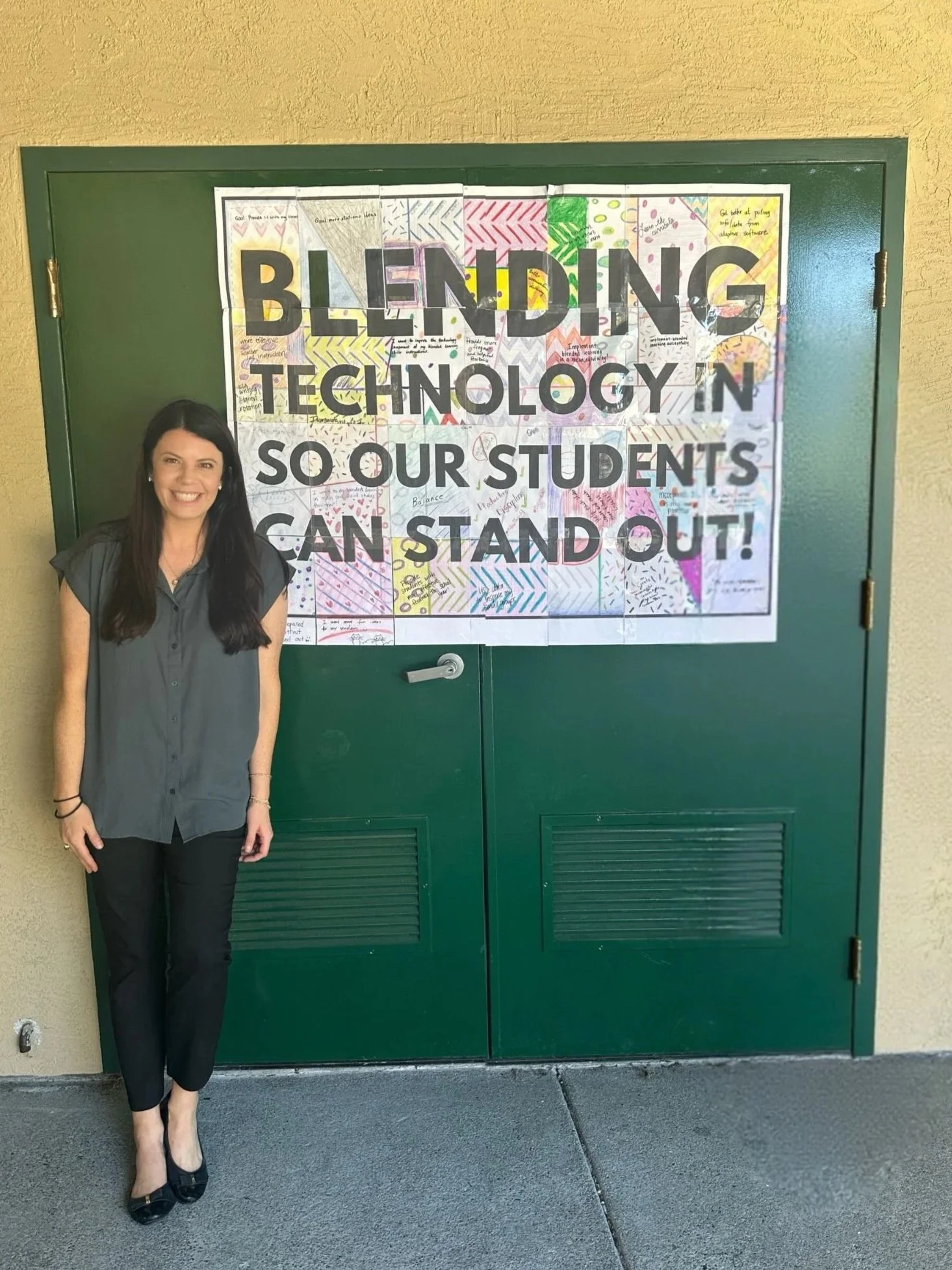
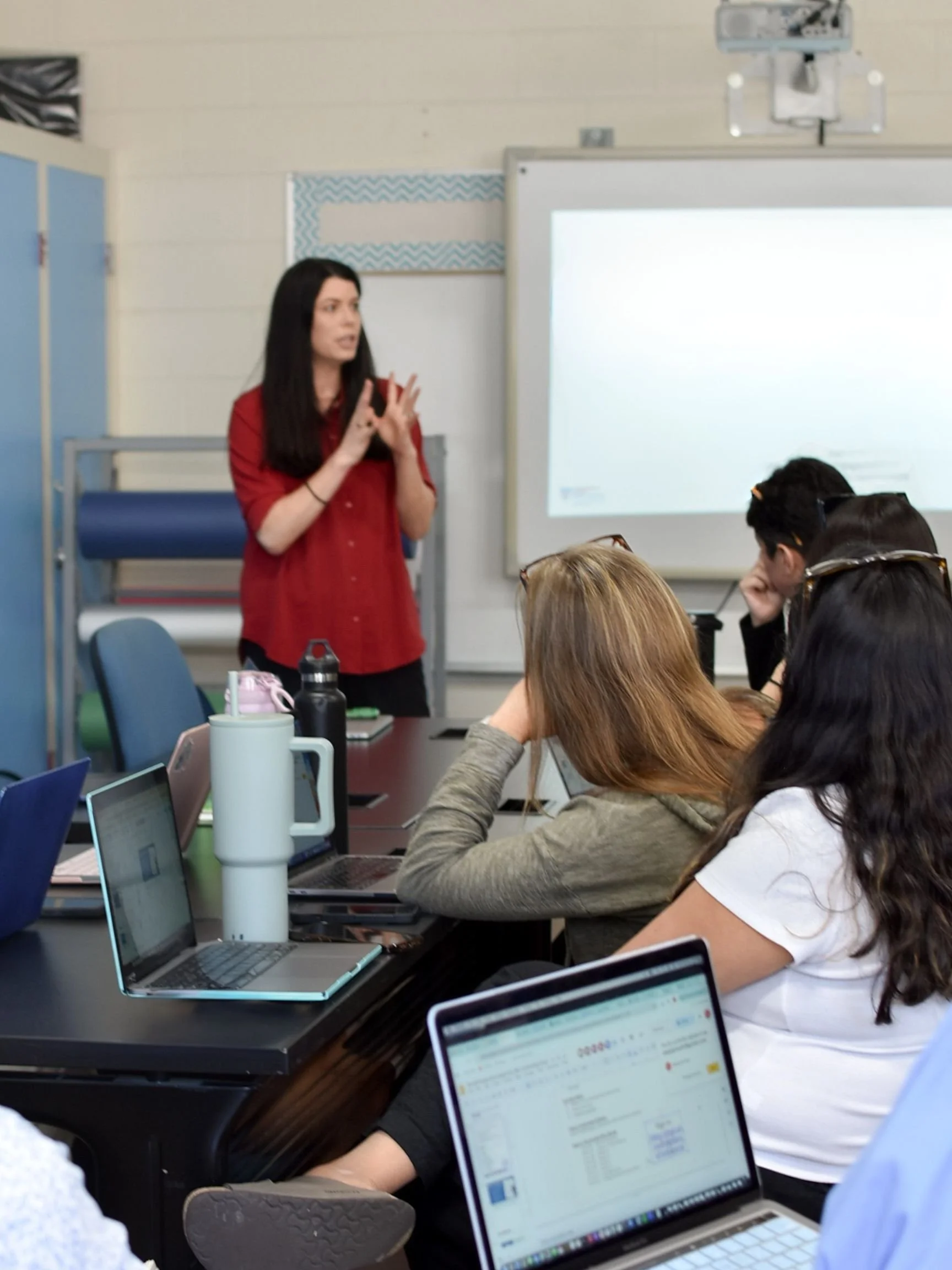
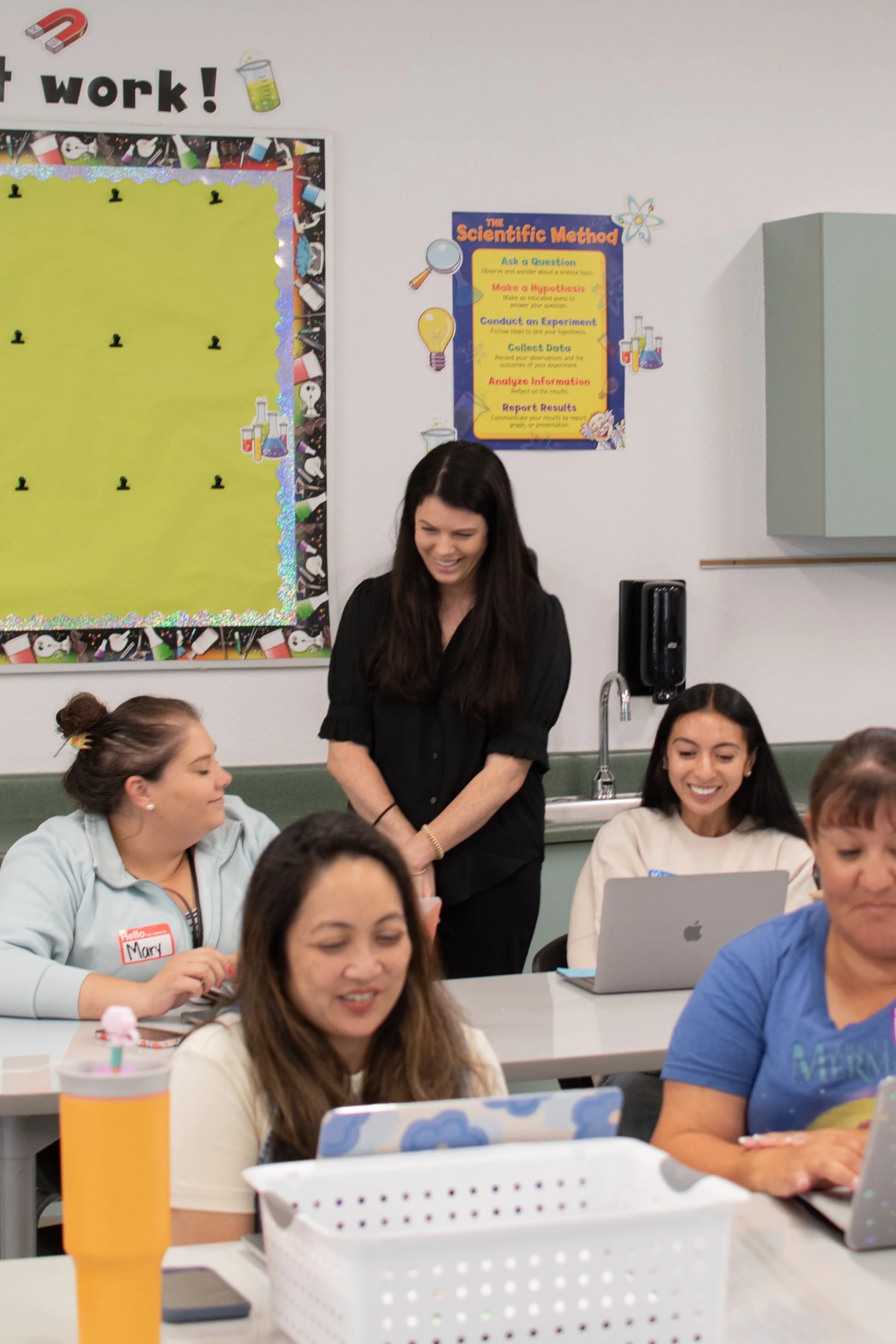
Crowley-Sullivan designs professional learning experiences that bring together research, creativity, and faith. Her work spans classrooms, universities, and diocesan networks, but is united by a single goal: to help educators make teaching more intentional, innovative, and human.
Instructional Design Work
Courses and Programs
As part of her work with Loyola Marymount University’s iDEAL Institute, Crowley-Sullivan designs and teaches in several professional learning courses and certification programs offered through LMU Extension.
Technology Integration Specialist Certification Program (TISC)
Program lead and primary instructor for a yearlong four-course professional learning sequence that provides teacher leaders with certification and prepares them to become technology-integration specialists in their schools. After co-teaching early cohorts, Crowley-Sullivan fully redesigned the program in 2021 to align with the ISTE standards for coaching, today’s current educational tools, and the research for best practices in instructional coaching, digital pedagogy, online teaching, and professional learning design.
Blended Learning Principal Academy (BLPA)
Recognizing that sustainable innovation depends on strong school leadership, Crowley-Sullivan co-developed the Blended Learning Principal Academy: Leading Sustainable Blended Learning, a yearlong leadership and certification experience for Catholic school principals and administrative teams. Alongside institute colleagues and experienced principals from LMU’s partner network, she helped envision the program’s purpose, structure, and outcomes. Drawing from the framework and resources she had created for the TISC Program, Meaghan contributed core learning materials and design elements. She supported the first cohort through its launch and participated in the facilitation of the second, ensuring that the program reflected the same balance of research, practicality, and mission alignment that defines all of her work.
Artificial Intelligence in Education
Most recently, Crowley-Sullivan led the development of iDEAL’s Self-Paced AI in Education Course, a ten-module professional development course designed to help educators explore the promise and responsibility of artificial intelligence in teaching and learning. She outlined the course structure, authored multiple modules, supported the creation of others, and edited the full series for coherence and clarity. The course emphasizes ethical AI use, practical application, and student-centered strategies, equipping teachers to begin to integrate emerging technologies with wisdom and purpose.
After years of sitting through professional development that felt disconnected from the realities of the classroom, Crowley-Sullivan made it her mission to design learning experiences that teachers actually look forward to. Her workshops and presentations are built on the belief that professional learning should be clear, creative, and practical. It should ensure that educators leave inspired and equipped to try something new the next day.
Workshops
Crowley-Sullivan has written and refined more than seventy workshops and multi-session learning pathways supporting iDEAL’s Academy of Blended Learning, the AI in Education Series, and specialized tracks for multigrade and high school contexts. Each sequence blends pedagogy and practicality, helping teachers and leaders translate research into meaningful classroom practice. Her sessions focus on authentic engagement, differentiated instruction, purposeful technology use, and the human side of teaching in an age of innovation.
Conference Presentations
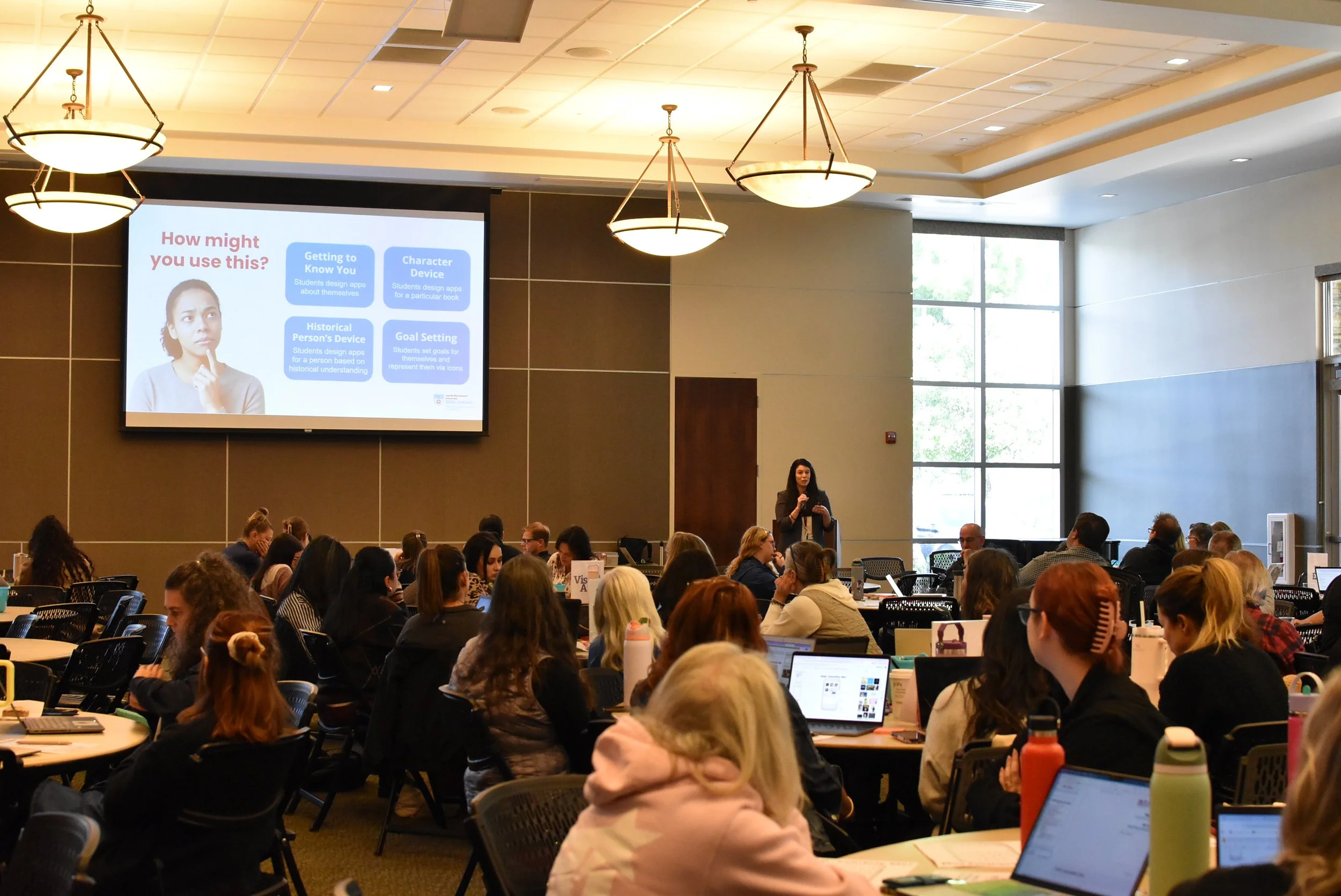
She regularly shares her work at national and diocesan conferences, contributing to the growing conversation around Catholic education and innovation. She has presented at the NCEA, ISTE, the Archdiocese of Los Angele’s C3 Conference, and the BLICSS Symposium, among others.Her presentations are known for balancing insight, application, and research.
Recent and representative topics include:
Forming Saints in a Digital World: A Catholic Approach to AI and Innovation
Ready to Learn, Ready for the Future: Executive Functioning in the Age of AI
Experience, Connect, Reflect: iDEAL’s Approach to Professional Development
From Data to Dialogue: Student–Teacher Conferencing for Personalized Feedback and Growth
Tech It or Leave It: Teaching as Jesus Did in Today’s Classroom
Frameworks for Technology Integration
Planning for Instructional Flexibility
(A complete list of conference presentations is available upon request.)
Creative Design and Resources
Beyond workshops and courses, Crowley-Sullivan creates practical tools and experiences that help educators sustain innovation long after professional learning sessions end. Her design work blends creativity and pedagogy, showing how intentional design and clarity can make learning more engaging, accessible, and mission-aligned for both teachers and students.
BlendED Mini-Conference
Crowley-Sullivan is the founder and co-organizer of the annual BlendED Mini-Conference, a national virtual gathering that celebrates teacher creativity and blended learning in Catholic schools. Each year, she helps shape the event’s theme, select speakers, and design the participant experience, ensuring that every session highlights actionable strategies, amplifies teacher voice, and fosters authentic collaboration among educators.
Digital Resource Collection
Crowley-Sullivan has designed an extensive collection of digital classroom templates, instructional tools, and interactive activities that have been used in professional learning and classrooms across the country. Her work bridges research and practice, translating complex instructional ideas into clear, ready-to-use designs that save teachers time while deepening student engagement.
Her growing library now includes more than 125 original resources, ranging from lesson exemplars, AI-literacy activities, and religious instruction pathways to blended-learning station planners, differentiation tools, and digital choice boards. Many were developed for iDEAL Institute workshops or diocesan trainings, while others are part of her independent educator collection available on Teachers Pay Teachers.
The Catholic Companion Framework for Technology and Innovation
Crowley-Sullivan is the author of The Catholic Companion Framework for Technology and Innovation, a faith-rooted guide that helps Catholic educators and families navigate technology, artificial intelligence, and innovation through the light of faith.
Grounded in Church teaching and Catholic social thought, the framework centers on five interwoven strands (Imago Dei, Co-Creation and Stewardship, Moral Conscience and Discernment, Communion and Solidarity, and Wonder, Mystery, and Awe). Together, these strands invite reflection on how technology can uphold human dignity, cultivate virtue, and inspire creativity in service of the common good. The framework provides tangible starting points and a shared language for discussing technology through the lens of faith across classrooms, homes, and communities.